


What Features Matter Most When Choosing Juice Containers with Lids?
A Viable Alternative to Paper and Plastic?
A Viable Alternative to Paper and Plastic?
Cold-pressed juice, fresh lemonade, and smoothies all depend on packaging that protects flavor and looks good on a counter. A weak lid or a cloudy cup can undo the work of a great recipe. That is why juice bars, cafes, caterers, and grocery shops across Florida compare juice containers with lids carefully before ordering. This guide explains which features matter most, so buyers can choose packaging that keeps drinks fresh and customers happy. Sweet Flavor supplies restaurants, bakeries, and caterers, and the guidance below reflects the questions foodservice buyers ask most often.
The features that matter most in juice containers with lids are a leak-resistant seal, clear food-grade material, the right size, stackable shape, and a lid that fits securely. Recyclability, branding options, and bulk pricing should also guide the final choice.
Regular cups are made for a quick sip at the counter. Juice packaging has a tougher job. It must travel, sit in a cooler, and still look fresh hours later. Well-made juice containers with lids usually offer a clear body, a snug closure, and a shape that stacks neatly. Many options use recyclable plastic, which keeps color visible and handles cold storage well.
Sweet Flavor, a Florida tableware supplier, organizes its catalog into clear collections, which makes it easier for operators to compare bottles, jars, and cups before buying.

16 oz Clear PET Customizable
Plastic Cold Cup
(50/Case)
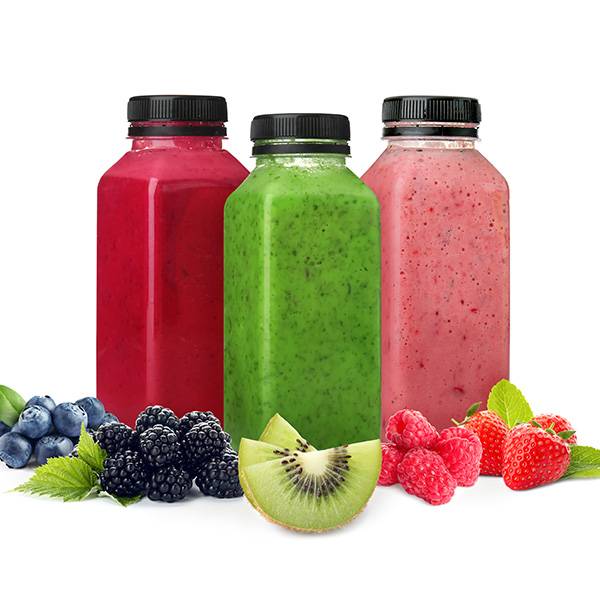
Disposable Recyclable Juice
Bottle
8 oz (300 Pack)
Six features separate dependable packaging from frustrating packaging.
A lid that pops off in a delivery bag wastes product and costs customers. Buyers should check that the lid snaps on firmly, the rim stays round under pressure, and the container survives being tipped. Sealed or tamper-evident closures add trust on grab-and-go shelves.
Flat lids, domed lids, and sip-through lids each suit different drinks. Flat lids stack well and suit still juices, while domed lids leave space for toppings or foam. Sip-through designs help customers drink on the go without removing the lid.
Juice sells with the eyes. Crystal clear plastic shows off orange, green, and red blends without clouding. Food-grade material matters too, since juice is acidic and stays in contact with the container for hours. Reliable suppliers can confirm food-safety details on request.
Tasting cups, single servings, and family bottles each serve a different purpose. Small formats suit samples and wellness shots, while larger sizes fit daily juice orders and catering. Matching the container to the portion reduces waste and keeps pricing predictable.
Food trucks and small kitchens often work with tight cooler space. Containers that stack evenly save room, and uniform shapes make labeling faster. Case packaging should also protect stock during shipping.
More customers ask whether packaging can be recycled. Recyclable plastic remains a common choice for cold beverages, and some menus add bamboo or paper items for a greener look. Rules on single-use packaging vary by city and county, so operators should verify current requirements.
Mixed menus help here. A business can serve juice in recyclable plastic while pairing it with natural straws or paper napkins from the same supplier, which keeps the order simple and the look consistent.
Juice bars use them for cold-pressed bottles and grab-and-go cases. Cafes and bakeries rely on them for smoothies, cold brew, and breakfast combos. Caterers choose them for events where guests need a portable drink without glassware. Grocery shops and meal-prep brands use them for retail shelves.
Each setting values something different. Retail shelves reward clear branding space, while event service rewards speed and durability. Defining the main use first narrows the choices quickly and prevents overspending on features that will not be used.
The two categories overlap, but they are not identical. Plastic cups with lids are shaped for iced drinks, smoothies, and dessert portions, while bottles and jars suit longer storage. Shoppers who need flexible options for events can browse plastic cups with lids and compare sizes side by side.
Standard plastic cups also work well for samples, and a plastic drinking cups with lid setup is common at juice bars that serve ready-to-go orders. Cups are easier to sip from immediately, while bottles are easier to carry and reseal.
| Feature | Juice Containers with Lids | Plastic Cups with Lids |
|---|---|---|
| Best for | Storage and takeaway | Immediate service |
| Seal strength | Usually stronger | Moderate |
| Portability | High | Medium |
| Typical use | Cold-pressed juice, shots | Smoothies, iced drinks, samples |
Proper handling protects both the packaging and the drink. Unused containers should stay in their original cartons, away from heat and direct sunlight, which can warp plastic or dull its clarity. Lids should be kept clean and dry until they are needed.
Filled containers should be refrigerated promptly and labeled with the preparation date. Fresh juice has a short shelf life, so staff should follow local food-safety guidance and the producer’s own storage rules.
Pricing depends on size, material, and order volume. Bulk cases usually lower the cost per piece, but the cheapest option is not always the best value. A container that leaks or cracks costs more in lost product than a slightly higher-priced, better-sealed alternative. Buyers should compare cost per unit alongside performance, not price alone.
Test a sample to confirm lid fit and seal strength.
Compare case counts and per-unit pricing.
Review shipping rules and lead times.
Ask about labeling or branding options.
Verify that every lid matches the exact container size.
Businesses that need logos, special sizes, or a custom look can request a custom quote from Sweet Flavor instead of settling for stock options.
Stocked items may ship the same day on weekdays, which helps busy juice bars restock quickly. Weekend deliveries are not offered, so orders should be planned around the Monday to Friday schedule.
Packaging shapes first impressions, shelf life, and repeat orders. Food businesses that plan storage and presentation carefully tend to face fewer complaints and smoother service. A related read on how plastic salad containers support modern food businesses shows how the same principles apply across cold food and drink.
Even experienced operators run into avoidable problems. These mistakes appear most often:
Choosing the lowest price without testing the seal
Ordering lids and containers from different sources
Buying large quantities before trying a sample
Ignoring storage space and stacking height
Skipping a check of local single-use packaging rules
Forgetting to plan for peak-season demand
The best juice packaging balances seal strength, clarity, size, and cost. Careful buyers test samples, compare formats, and plan storage before committing. Sweet Flavor, a Florida-based supplier of disposable and reusable tableware, serves juice bars, bakeries, and caterers. Browse the full catalog at sweetflavorfl or contact the team to find a container that fits the menu.