


7 Advantages of Aluminum Baking Cups You Need to Know
A Viable Alternative to Paper and Plastic?
A Viable Alternative to Paper and Plastic?
For any professional bakery, café, or catering business, choosing the right liner can make the difference between a dessert that holds its shape and one that collapses under its own batter. Aluminum Baking Cups have become a go-to choice for pastry chefs who need dependable performance in high-heat, high-volume kitchens. Unlike standard paper baking cups, these rigid foil vessels are engineered to stand on their own, without a muffin tin, while protecting delicate batters from grease and moisture. Whether it's crème brûlée, mini cheesecakes, or oversized bakery muffins, Aluminum Baking Cups consistently outperform lighter alternatives. At sweetflavorfl bakers can find a full range of baking cups built for exactly this kind of commercial reliability. Below are seven advantages worth knowing before your next order.
Not all baking cups are built the same. Paper baking cups rely on pleats and folds for support, which works well for light batters but can buckle under thicker mixtures like pound cake or banana bread. Aluminum Baking Cups, on the other hand, are made from dense, food-safe foil that holds a fixed shape regardless of what's poured inside. This structural rigidity means they can be placed directly onto a flat sheet pan, freeing up oven space and eliminating the need for bulky metal muffin tins. They're also naturally resistant to grease bleed-through, so the outside of the cup stays clean even after a long bake. For commercial kitchens juggling multiple orders at once, that difference in reliability often translates directly into saved labor and fewer wasted batches.
Aluminum conducts heat far more evenly than paper, so batter bakes uniformly from edge to center. This reduces the risk of a dense or undercooked middle, a common complaint with thicker paper baking cups when used for heavier recipes like carrot cake or banana muffins.
Because Aluminum Baking Cups hold their form without external support, they're ideal for free-standing production. Bakeries can line dozens of cups directly on a sheet pan, skip the muffin tin altogether, and still get a clean, symmetrical result every time.
Rich batters and buttery fillings won't seep through aluminum, keeping display cases and packaging spotless. This is a meaningful upgrade over some paper baking cups, which can develop grease spots that make finished products look less appealing on a bakery shelf.
Aluminum Baking Cups move safely from freezer to oven without cracking or warping, which makes them useful for make-ahead production schedules. Bakeries can prep batches in advance, freeze them, and bake on demand without switching containers.
The clean metallic finish gives baked goods a polished, boutique look straight out of the oven. Many cafés use Aluminum Baking Cups specifically for premium items like mini cheesecakes or specialty cupcakes meant to be displayed rather than boxed immediately.
While individual paper baking cups may cost less per unit, the reduced waste, fewer damaged batches, and ability to skip separate muffin pans often make Aluminum Baking Cups more economical for high-volume commercial baking over time.
Unlike some coated papers, aluminum is broadly recyclable through standard municipal programs. Bakeries focused on sustainable operations can offer customers a product with a clearer end-of-life recycling path compared to laminated paper baking cups.
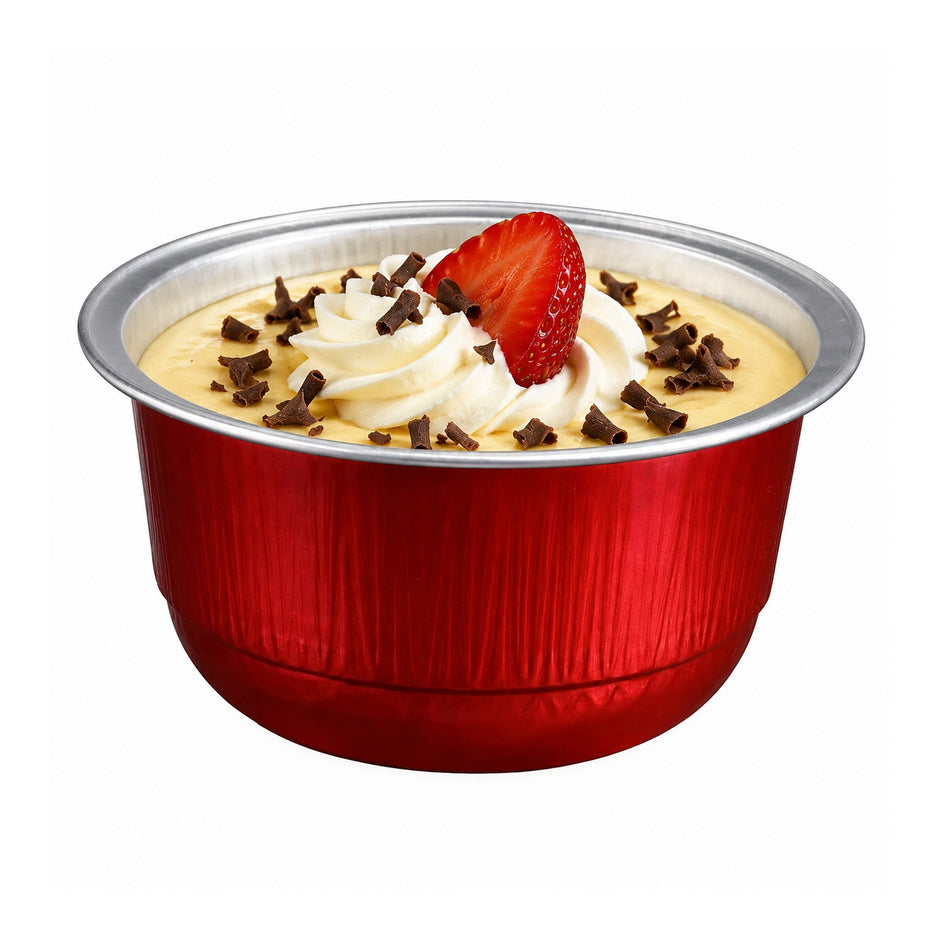
Disposable aluminum foil baking bowls designed for cupcakes, muffins, desserts, and other baked treats. Oven-safe and available in convenient bulk quantities.
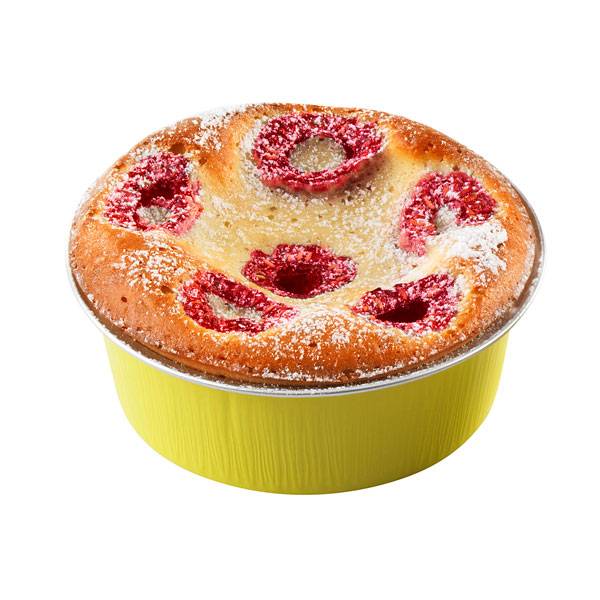
Yellow aluminum foil baking cups made for cupcakes, muffins, breads, cookies, and desserts. A sturdy disposable option for bakeries, catering, and food service.
The right choice really depends on the recipe and the presentation goals. Light, airy cupcakes with simple buttercream toppings often do just fine in traditional paper baking cups, especially when cost per unit is the priority. But for anything dense, moisture-heavy, or destined for a bakery display case, Aluminum Baking Cups tend to hold up better and look more polished. Many commercial kitchens keep both on hand: paper for everyday cupcakes and muffins, aluminum for specialty desserts, freezer-safe items, and anything that needs to stand without a tin. If a bakery is unsure which will suit its menu, ordering a mix of both baking cups and testing them against actual recipes is usually the fastest way to decide.
Sourcing consistent, food-safe supplies matters just as much as the recipe itself. Sweet Flavor's baking cups collection carries both aluminum and paper options in multiple sizes, so bakeries, caterers, and cloud kitchens can stock exactly what their menu needs. The team also covers related essentials worth reading about, including this breakdown of why Aluminum Baking Cups are a bakery's top choice for teams weighing their options in more detail. For businesses that need custom sizing, private labeling, or bulk pricing tailored to their order volume, it's worth reaching out to request a custom quote directly, since wholesale needs vary a lot between a small café and a full-scale commercial bakery.
Choosing between aluminum and paper isn't about picking a "better" product across the board, it's about matching the cup to the recipe, the volume, and how the finished dessert will be displayed. For anything that needs structural support, freezer compatibility, or a clean professional finish, Aluminum Baking Cups are hard to beat. Bakeries ready to test both formats can browse the full range at Sweet Flavor's and request samples to see what performs best in their own ovens before committing to a bulk order.